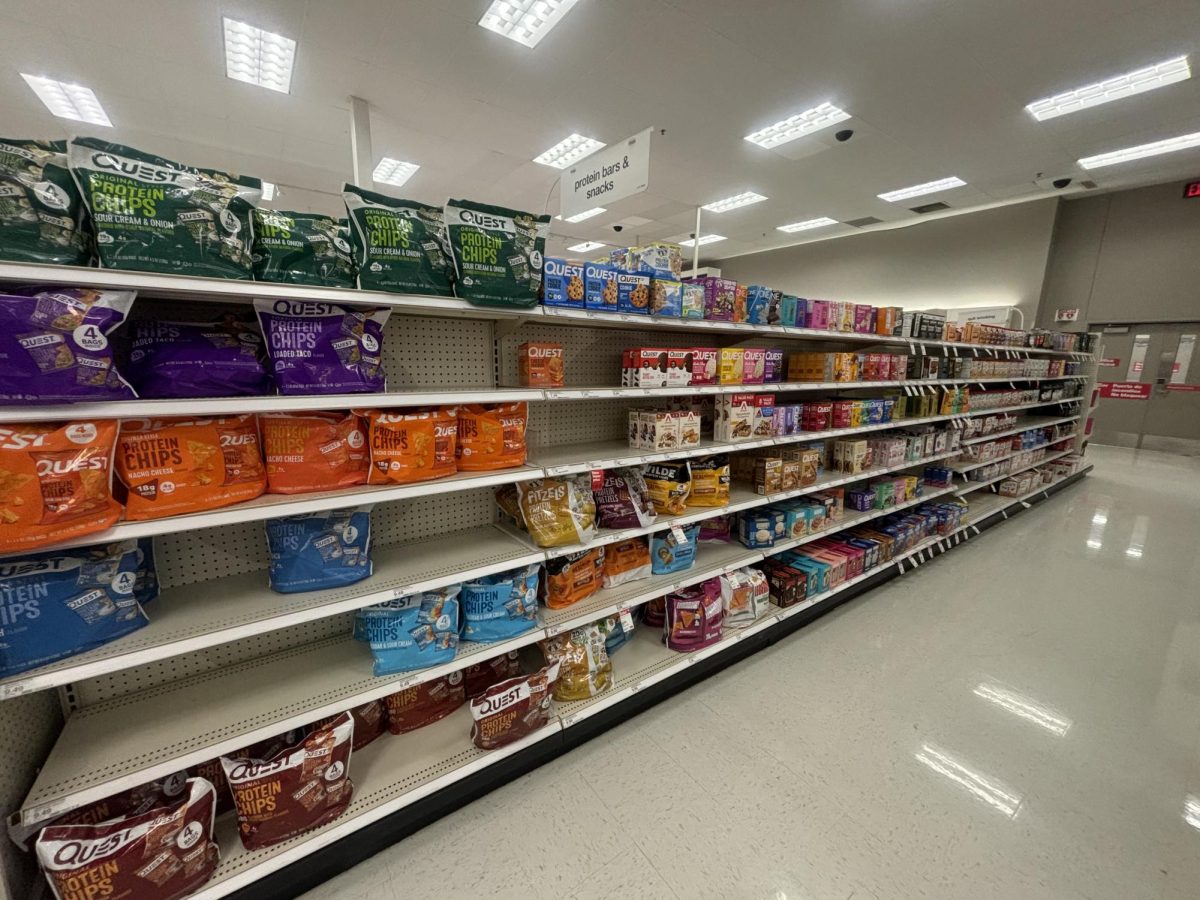
Walk into any grocery store today, and you’ll see it everywhere: protein chips, protein candy, protein coffee and protein soda. Every food or drink you can possibly think of with the word “protein” slapped on the front. What used to be a basic nutrient found naturally in foods has now become a marketing label added to almost anything. Protein has gone from important to excessive, and the trend is raising real concerns.
There is no doubt that protein is essential. It helps to build muscle and repair the body, but the idea that more is always better has been pushed much too far. Most people already get enough protein through a normal diet. Adding extra protein to everything we eat isn’t necessarily helping; it’s often just unnecessary.
One of the biggest misconceptions is that adding protein somehow makes a food “healthy.” But adding a scoop of protein powder to something doesn’t cancel out everything else in it. A sugary drink or highly processed snack doesn’t suddenly become good for you just because it has added protein; nutrition doesn’t work like that.
When you look closer, many of these “high-protein” products aren’t as healthy as they seem. For example, Starbucks offers protein coffee drinks that contain around 29 grams of protein, but also 29 grams of sugar and about 270 calories for a medium (grande) size. That’s not much different from a regular sugary drink.
A perfect example of this is the growing trend of “protein soda.” People are now mixing soda with protein shakes or protein powder, creating what some call a “healthier” drink. In reality, it’s still soda, just with extra additives. It shows how far this trend has gone, where even traditionally unhealthy foods are being rebranded as nutritious.
And this isn’t just a social media trend; it’s become a full-scale marketing strategy. Major brands are constantly releasing new products designed to capitalize on the protein craze. From snacks to drinks to full meals, companies are reworking familiar foods to include added protein, even when it doesn’t significantly improve the product’s nutritional value or the taste.
Another issue is how misleading some of these products can be. Many items labeled “high protein” don’t actually contain that much protein compared to real, whole food sources. A snack might advertise added protein, but only have a few extra grams, while still being high in sugar, calories or artificial ingredients. The label draws attention to the protein, making it seem healthier than it really is, even when the overall nutritional benefit of the product hasn’t been improved.
If the goal really is to get more protein, there are much simpler and more natural ways to do it. Instead of buying protein mac and cheese, for example, you could just add chicken, beans or even cottage cheese to a regular bowl. That way, you’re getting real nutrients without relying on heavily processed, reformulated products. The same idea applies across the board; whole foods can provide protein without all the extra additives.
There are also deeper concerns about protein supplements themselves. Protein powder’s long-term effects remain unknown, and because they are classified as dietary supplements, they are not strictly regulated by the FDA. Manufacturers are responsible for their own safety testing and labeling, meaning there’s no guarantee that the product contains exactly what it claims.
Even more concerning, studies have found that some protein powders contain harmful contaminants. In one screening of 134 products, researchers found heavy metals like lead, mercury and cadmium, along with pesticides and other toxins linked to serious health issues, including cancer.
Beyond the ingredients, this trend is also changing how people think about food. There’s an increasing focus on protein alone, while other essential food groups are being ignored. Carbohydrates, fats, fruits and vegetables all play critical roles in overall health. Focusing too heavily on one nutrient can create an unbalanced diet and lead people to miss out on important vitamins and energy sources their bodies actually need.
Social media has only made this worse, promoting the idea that high-protein everything is necessary for fitness and health. This creates pressure to constantly choose “enhanced” options instead of just eating balanced, regular meals.
What’s being lost in all of this is balance. Food doesn’t need to be optimized at every moment. Sometimes a regular meal or even a treat is completely fine. Turning everything into a high-protein product can lead to a distorted view of what healthy eating actually looks like.
The protein trend isn’t slowing down anytime soon. But it’s worth questioning. Are we actually making healthier choices or are we just buying into clever marketing? Because at a certain point, “high protein” stops being about health and starts being about selling a trend.