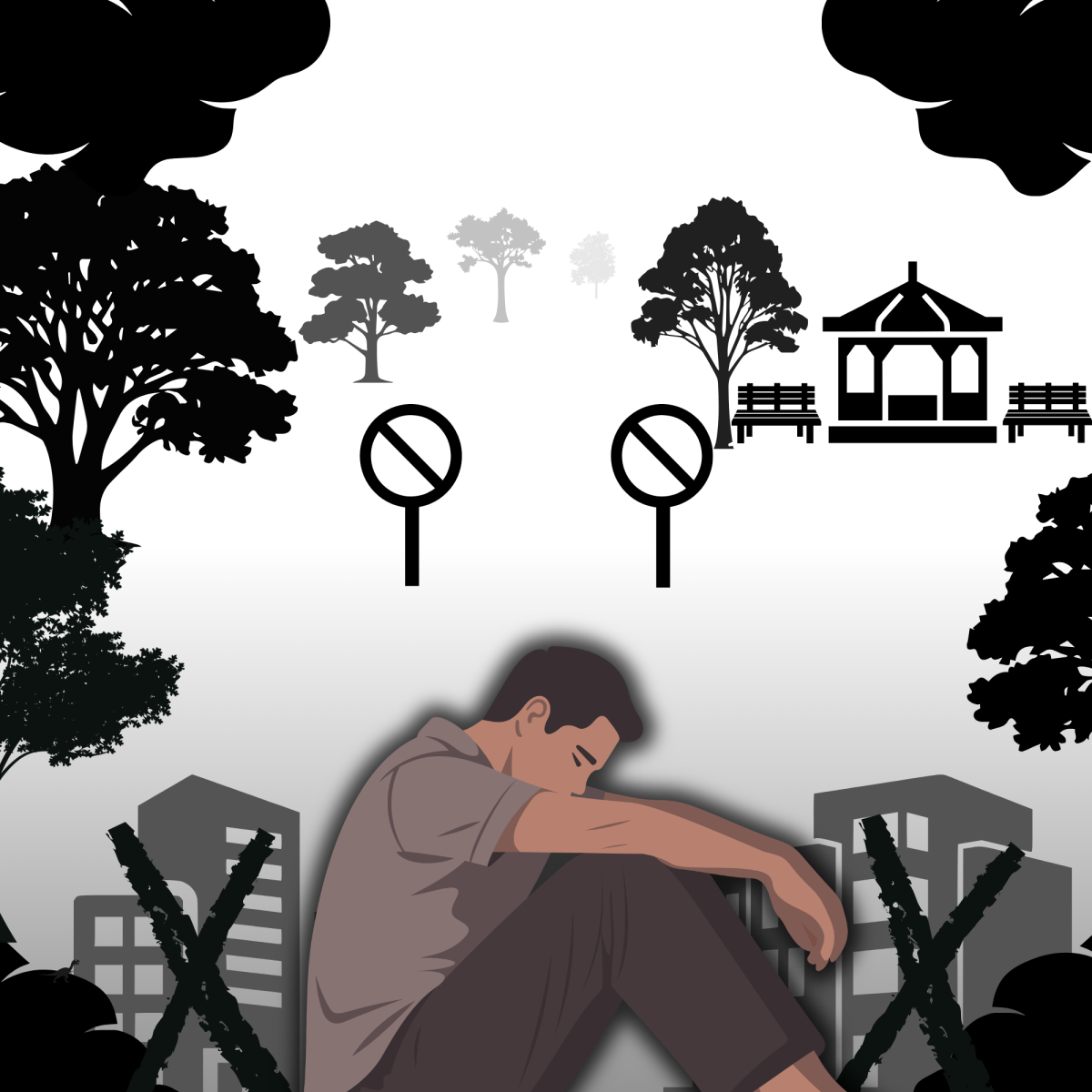

Being a teenager today often means being expected to do everything at once. Students are encouraged to take challenging classes, earn high grades, work jobs and still maintain active social lives. While these expectations are often meant to prepare teens for the future, they can create overwhelming pressure, especially when people forget that teens are still kids.
At LTHS, there has been a push for students to take more Advanced Placement (AP) classes. AP courses can help students prepare for college, but they also come with heavier workloads and higher stress levels. Many students are pressured to overload their schedules with these classes, even when it affects their sleep and mental health. It’s strange to be expected to handle college-level work, yet still be told we’re too young to feel overwhelmed by it.
Grades are one of the biggest sources of pressure for teens today. As colleges become more and more selective, getting all A’s is no longer celebrated; it’s expected. Many students feel like every test, quiz or assignment carries the weight of their future, and one slip-up can feel like the end of the world.
Instead of learning for understanding, students often focus on perfection, memorizing facts and chasing points rather than actually engaging with the material. Over time, this constant worry about grades can make school feel like a series of high-stakes tests rather than a place to grow, leaving students stressed, burned out and questioning whether their efforts are ever enough.
Teens are also expected to be productive outside the classroom. According to the U.S. Bureau of Labor Statistics, in July 2025, 53.1 percent of young people ages 16 to 24 were employed. Having a job can be a good experience, but balancing work with school often means late nights, exhaustion, and very little time to relax.
Despite packed schedules, teens are still expected to keep up socially. Whether it’s attending events, staying active in clubs or maintaining an online presence, there’s pressure to always be involved. If a teen isn’t busy, it can feel like they’re not doing enough.
The impact of these expectations is serious. One in five teens experiences depression, showing how constant pressure can affect mental health. Teens are expected to perform like adults, yet they are still developing emotionally and mentally. They need time to rest, make mistakes and if anything at all, some time to reflect.
On top of all this, it often feels like there just isn’t enough time in a day to get everything done: sleep, homework, extracurriculars, work and socializing all compete for the same 24 hours, leaving teens constantly running behind.
Teens aren’t failing because they’re lazy, they’re tired. We’re expected to handle adult responsibilities while being told our stress isn’t that serious because we’re “just kids.” That contradiction leaves a lot of students feeling unheard and burned out, stuck between trying to act like adults and being treated like kids when it’s convenient. While social media has bridged the gap between adults and teens, it shouldn’t create unrealistic expectations.