
Many people remember the instant joy of hearing the words “snow day” as a little kid. Waking up early on a chilly winter morning and looking outside your window to see a foot of snow in your backyard, then finding out school has been cancelled was a feeling that couldn’t be beat. A day of playing in the snow and spending time with family and friends was the perfect break in everyone’s busy schedules to just unwind and have fun.
Today, as we know, snow days look very different.
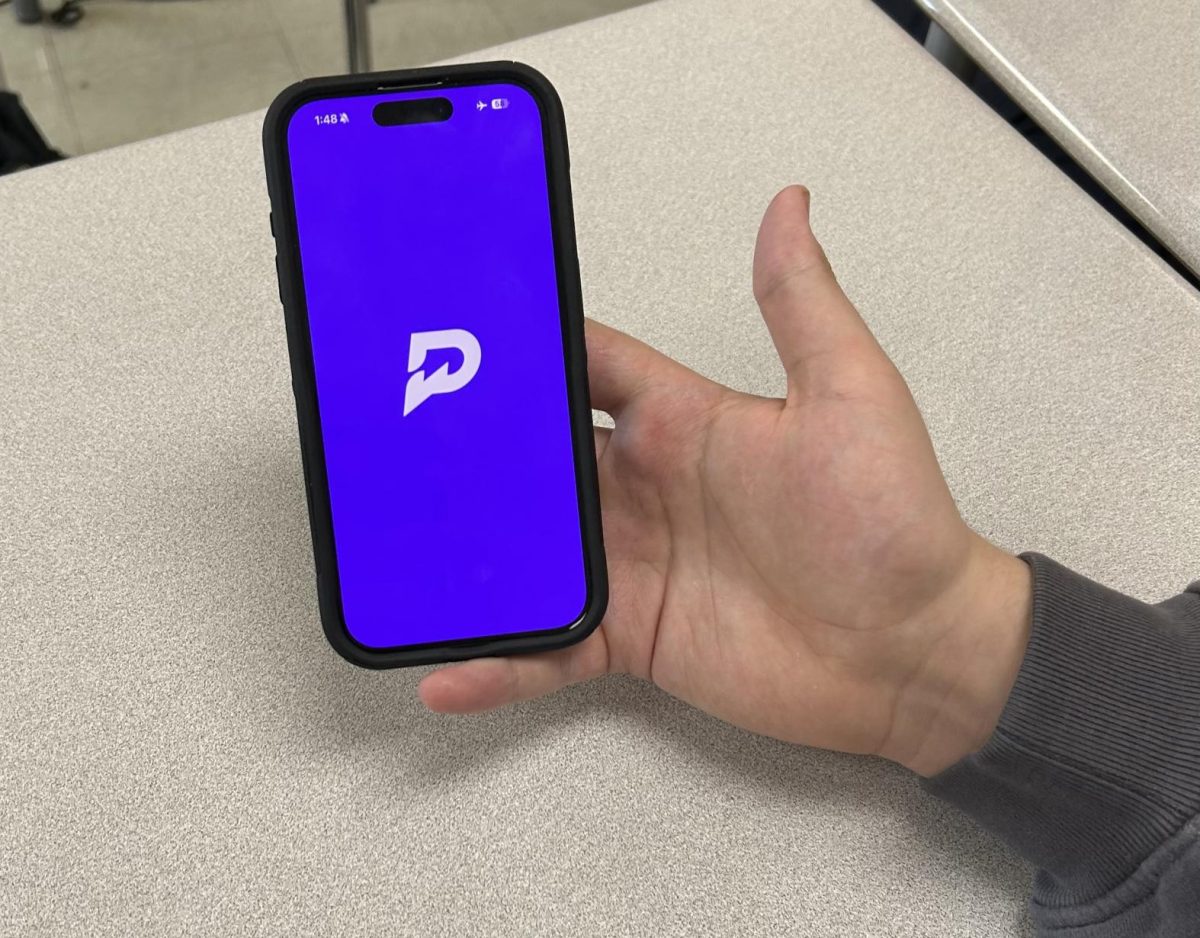
Now when it snows, students still wake up early, but not with the excitement for a day of fun. Instead, they open Google Classroom and attend virtual classes from their bedrooms. What used to feel like a break, now just feels like a normal school day, just colder and quieter.
The joyous nature of snow days has been replaced by e-learning.
Traditional snow days were more than just canceled classes; they were a shared childhood experience. Students, teachers, and parents felt the positive effects of these snow days as a community. They were one of the few times when everyone’s responsibilities paused all at once.
Snow days used to give students a chance to rest, reset, and just be kids. They encouraged creativity, being outside, and making memories.
Conversely, e-learning snow days prioritize educational productivity. It is a valid argument that e-learning maintains routine while simultaneously preventing students from losing instructional time and falling behind academically. Technology allows for learning to be continued, no matter the weather.
But for students, the experience is different.
“E-learning days just remind me of the COVID pandemic,” one student says. “It does not make me very motivated to do my work. E-learning feels unproductive in general, so why not just give us the day off?”
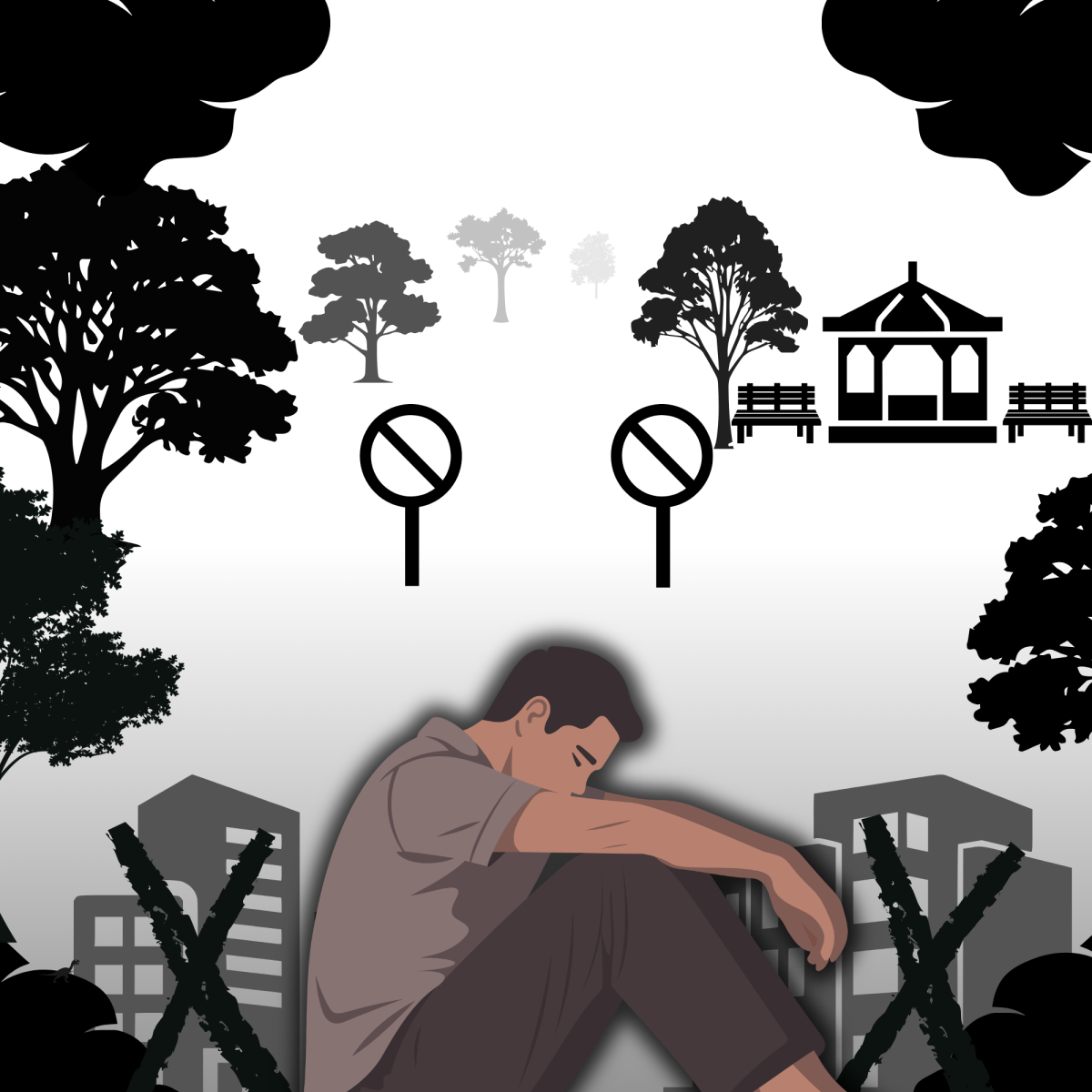
The words “snow day” no longer bring joy, rather stress. Assignments pile up, social interaction is decreased, and we are forced to stare at our screens for an entire school day. Students are no longer getting a true break, even when nature forces one.
All of this reflects a bigger change in education and childhood as a whole.
While technology has made life more efficient, it has also erased many small traditions that people had growing up that were special. Turning unpredictable, rare snow days into e-learning days has taken away that sense of surprise and joy.
Admittedly, e-learning snow days keep students safe from harsh weather conditions, allows flexibility, and prevents schools from extending the school year. But maybe the issue isn’t the actual e-learning days, but the balance of them.
Miniscule changes to our snow day policy could bring back some of the excitement without sacrificing education. Allowing a limited number of real snow days or a reduced workload on e-learning days would still allow students to have time to enjoy themselves while still staying on track academically.
All in all, while e-learning may be an efficient replacement for old-fashioned snow days, it’s worth questioning whether we have lost a whimsical tradition of our childhood.